Learn how to set up an RV solar power system step-by-step. From panels to batteries, here’s everything beginners need to know to get clean, reliable power on the road.
Introduction
There’s nothing like the freedom of camping off-grid — until your batteries die halfway through the trip.
That’s where RV solar power comes in. It’s clean, quiet, and once installed, virtually free to run. You can camp longer, use more devices, and say goodbye to noisy generators and hookups.
This beginner’s guide walks you through how RV solar power works, what you’ll need, and how to set up a simple, affordable system that fits your rig and lifestyle.
☀️ 1. How RV Solar Power Works
An RV solar system captures sunlight and converts it into electricity that charges your batteries. Those batteries then power your lights, appliances, and devices — no plug-ins required.
Here’s the simple flow:
1️⃣ Solar panels collect energy from the sun.
2️⃣ Charge controller regulates the voltage going to your batteries.
3️⃣ Batteries store that power for later use.
4️⃣ Inverter converts battery (DC) power into household (AC) power for standard outlets.
💡 Think of it like a mini power grid — powered entirely by sunshine.
⚙️ 2. The 4 Main Components of an RV Solar System
A. Solar Panels
These capture sunlight and convert it into electricity.
- Types:
- Monocrystalline: Most efficient, ideal for limited roof space.
- Polycrystalline: Cheaper, slightly less efficient.
- Flexible panels: Lightweight and ideal for curved roofs.
Top Pick: Renogy 200-Watt Monocrystalline Solar Panels
💰 Price Range: $200–$300
💬 Tip: Clean your panels regularly for best performance.
B. Charge Controller
Prevents overcharging or damaging your batteries by controlling voltage flow.
- Types:
- PWM (Pulse Width Modulation): Budget-friendly for smaller systems.
- MPPT (Maximum Power Point Tracking): More efficient and better for full-time RVers.
Top Pick: Victron SmartSolar MPPT 100/30 Controller
💰 Price Range: $150–$200
💬 Pro Tip: Choose MPPT if your panel setup exceeds 200 watts.
C. Battery Bank
Stores the power your panels generate for use at night or on cloudy days.
- Battery Types:
- Lead-Acid: Inexpensive, but heavier and needs maintenance.
- AGM: Sealed, low-maintenance, mid-range cost.
- Lithium (LiFePO4): Light, long-lasting, and most efficient.
Top Pick: Battle Born 100Ah LiFePO4 Deep Cycle Battery
💰 Price Range: $800–$900
💬 Budget Option: Renogy 100Ah AGM Battery (~$180)
D. Inverter
Converts DC battery power to AC power for appliances and outlets.
Top Pick: AIMS 1000W Pure Sine Wave Inverter
💡 Why It’s Worth It: Clean power for sensitive electronics.
💰 Price Range: $200–$250
💬 Pro Tip: Go with “pure sine wave” inverters — they’re safer for laptops and TVs.
🔋 3. How Much Solar Power Do You Really Need?
This depends on how much energy you use daily.
Here’s a rough guide:
| RV Type | Daily Energy Use | Recommended Solar Setup |
|---|---|---|
| Small Camper | 50–100Ah | 100–200W panels + 1 battery |
| Mid-size Travel Trailer | 150–200Ah | 300–400W panels + 2 batteries |
| Large Motorhome / Full-Time | 300–500Ah | 600–800W panels + 4+ batteries |
💬 Example: Running a fridge, lights, and devices daily may need ~300 watts of solar and 200Ah of battery storage.
📘 Tip: Add a battery monitor (like the Victron BMV-712) to track usage accurately.
🔧 4. Step-by-Step: Setting Up Your RV Solar System
1️⃣ Mount the Solar Panels
Attach panels to the roof using Z-brackets or tilt mounts. Use RV-safe sealant to prevent leaks.
2️⃣ Connect to the Charge Controller
Run cables from panels to the controller (use waterproof entry glands).
3️⃣ Wire the Controller to Your Batteries
Connect using appropriate gauge wire and inline fuses for safety.
4️⃣ Install the Inverter
Connect to the battery bank and route to your AC outlets.
5️⃣ Test Everything
Turn on the system, check voltage readings, and verify charging on your controller display.
💡 Pro Tip: Label your wires and take pictures before closing panels — future you will thank you.
⚡ 5. Off-Grid Tips for Maximum Solar Efficiency
- Park with panels facing south whenever possible.
- Keep panels clean and tilt toward the sun in winter.
- Turn off appliances not in use.
- Switch to LED lighting.
- Add more panels later — most systems are expandable.
🧠 Smart Upgrade: Use a portable solar suitcase for extra power without climbing the roof.
🌞 6. Best RV Solar Kits for Beginners (2025 Edition)
| Kit | Wattage | Includes | Price Range |
|---|---|---|---|
| Renogy 200W Solar Starter Kit | 200W | Panels, controller, wiring | $250–$300 |
| BougeRV 400W Solar Kit | 400W | Panels + MPPT controller | $450–$500 |
| Eco-Worthy 100W Kit | 100W | Budget portable setup | $150–$200 |
| Go Power 300W Kit | 300W | Premium quality | $600–$700 |
💬 Recommendation: Start small with a 200W kit — you can always expand later.
🔋 7. Safety and Maintenance Tips
- Use RV-rated fuses and wiring for all connections.
- Keep cables tidy with wire looms and clamps.
- Disconnect batteries before performing maintenance.
- Inspect roof seals around mounts twice a year.
- Check voltage output after heavy rain or long storage.
💡 Safety Tip: Always wear insulated gloves and avoid working on panels in direct sunlight when wiring.
Bonus: Why Solar Is Worth Every Penny
✅ Saves money on campground hookups
✅ Reduces generator fuel costs
✅ Provides quiet, reliable power anywhere
✅ Environmentally friendly and sustainable
✅ Increases RV resale value
💬 Think of it as freedom you can charge by the hour.
Conclusion
Installing solar power on your RV isn’t just a tech upgrade — it’s a lifestyle upgrade.
With a few essential components and a bit of planning, you can enjoy the freedom to camp anywhere, anytime, without worrying about running out of power.
💬 Once you go solar, you’ll never look back.
Coming Soon:
🌞 Free RV Solar Power Planner & Wiring Diagram — launching January 1, 2026!
Includes:
- Printable setup diagram
- Panel sizing worksheet
- Battery and usage calculator
- Expansion checklist
📩 Sign up now for early access and other free RV living tools.
Tags:
RV solar power, RV solar setup, RV solar kit, RV battery system, solar for RV beginners, off-grid RV living, RVBudget.com
\ Get the latest news /

Related Posts
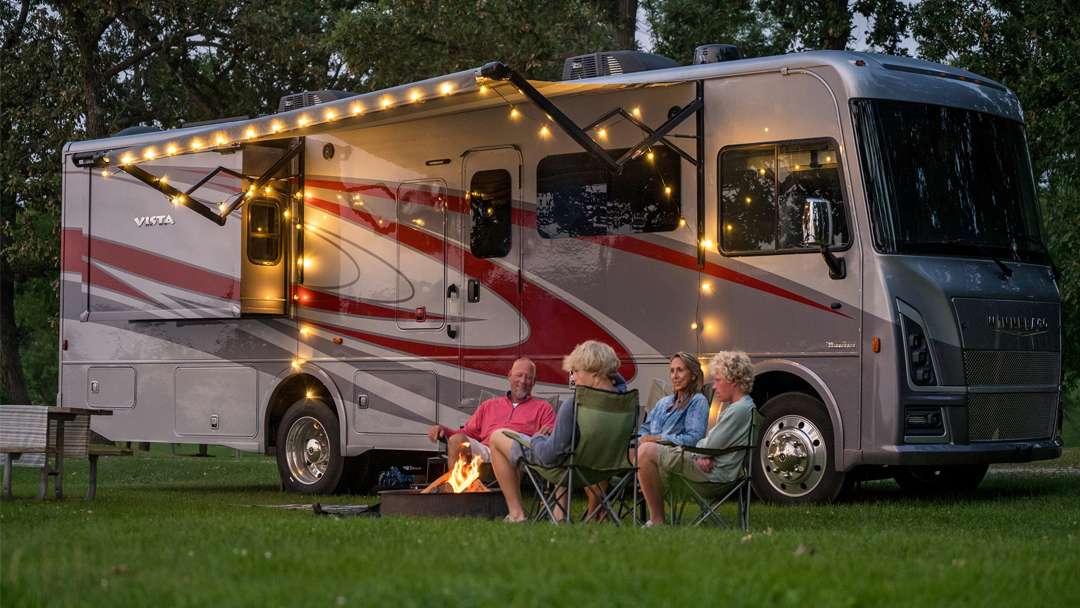
RV Hookups Made Easy: How to Master Water, Power, and Sewer Like a Pro
Learn everything about RV hookups — water, power, and sewer…
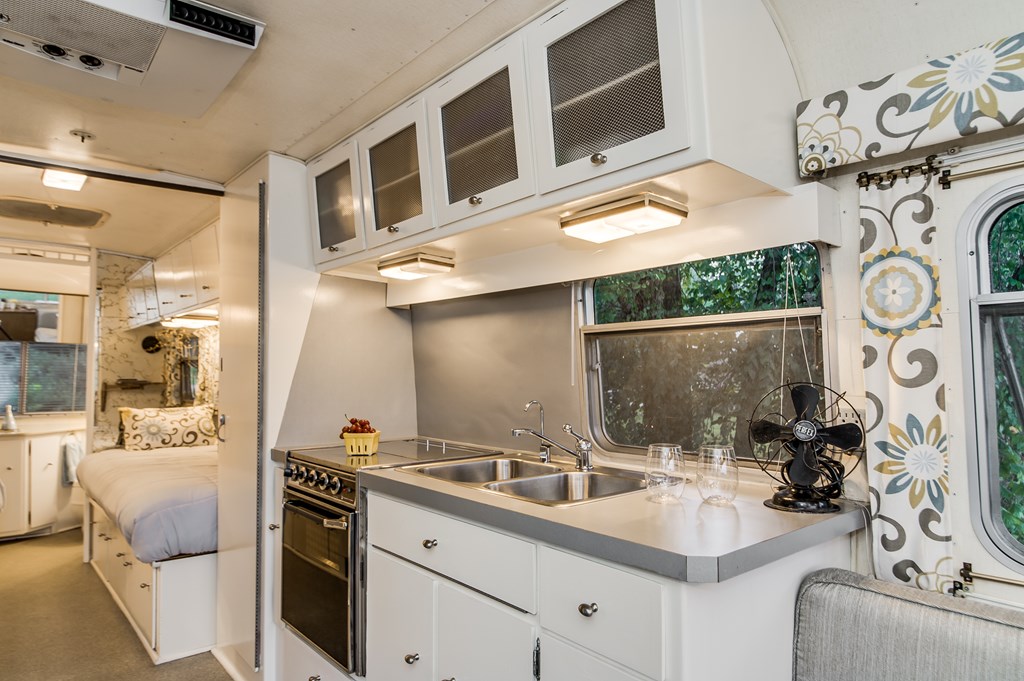
RV Power Essentials: Must-Have Electrical Accessories for Safe and Reliable Power
Stay powered up and protected with the best RV electrical…

RV Living Room Upgrades: Make Your Space Cozy, Functional, and Stylish
Transform your RV living room into a cozy, functional retreat.…