Stay cozy in winter and cool in summer with these RV heating, cooling, and ventilation tips. Learn how to manage temperature, airflow, and humidity year-round.
Introduction
RV life means chasing the perfect weather — but Mother Nature doesn’t always cooperate.
Whether you’re freezing in the mountains or sweating through a desert boondock, your comfort depends on how well you control temperature, airflow, and humidity inside your rig.
This guide breaks down RV heating, cooling, and ventilation systems in plain terms — plus easy hacks to keep your RV comfortable, efficient, and budget-friendly all year long.
❄️ 1. Understanding Your RV’s Climate Control Systems
Your RV may include multiple heating and cooling components. Here’s the breakdown:
Heating:
- Propane furnace (most common)
- Electric space heater
- Heat pump (built into some A/C units)
- Diesel heater (in luxury or DIY rigs)
Cooling:
- Roof A/C unit(s)
- Portable or window A/C
- Vent fans (MaxxAir, Fantastic Fan)
- Shades and reflective covers
Ventilation:
- Roof vents, ceiling fans, window vents, and cross-breeze airflow.
💬 Pro Tip: Knowing which systems use propane, electricity, or battery power helps you manage comfort and your RV budget.
🔥 2. RV Heating Systems Explained
1️⃣ Propane Furnace
- Runs on propane + 12V battery power (for the fan).
- Heats fast and evenly.
- Great for boondocking — doesn’t need shore power.
💬 Downside: Uses a lot of propane and battery power overnight.
2️⃣ Electric Space Heaters
- Perfect when plugged into shore power.
- Save propane by using park electricity instead.
💬 Budget Tip: Choose ceramic or oil-filled models with auto shut-off.
3️⃣ Heat Pumps
- Efficient in mild weather (above 40°F).
- Works like an A/C in reverse — pulls heat from outside air.
💬 Tip: Not ideal for freezing temps — switch to propane furnace when it’s cold.
4️⃣ Diesel Heaters
- Great for DIY or off-grid setups.
- Uses small amounts of diesel and 12V power.
💬 Pro Tip: Extremely efficient — many van lifers swear by them.
☀️ 3. RV Cooling Systems Explained
1️⃣ Roof Air Conditioner
- Most RVs have one or two rooftop units.
- Requires 30A or 50A hookup (or generator).
💬 Tip: Use during peak heat hours, not all day.
2️⃣ Portable or Window A/C
- Great for smaller rigs or supplemental cooling.
💬 Budget Hack: Run on generator or solar-powered inverter setup for short bursts.
3️⃣ Vent Fans
- A full-time RVer’s secret weapon.
- Use two fans — one pulling in cool air, one pushing hot air out.
💬 Pro Tip: Crack a window opposite your fan for cross-breeze perfection.
📘 Related: Boondocking Power Solutions: How to Stay Off-Grid Longer Without Losing Comfort
🌬️ 4. RV Ventilation: The Key to Comfort and Air Quality
Ventilation is your RV’s first defense against moisture, odors, and heat buildup.
Ventilation Tips:
- Keep roof vents cracked even in winter (with vent covers).
- Use exhaust fans while cooking or showering.
- Open windows on opposite sides to create airflow.
- Add a small 12V fan near your bed for better sleep comfort.
💬 Pro Tip: Proper ventilation prevents mold, mildew, and stale air — all common RV problems.
💨 5. Managing Humidity Inside Your RV
Moisture is your rig’s enemy — it damages wood, insulation, and electronics.
Reduce Humidity By:
- Running vent fans when cooking or showering.
- Using moisture absorbers (DampRid, silica gel).
- Wiping condensation from windows in the morning.
- Avoiding drying wet clothes indoors.
💬 Pro Tip: A small dehumidifier pays for itself by preventing thousands in potential damage.
🌡️ 6. Seasonal Strategies: Stay Comfy Year-Round
In Winter:
- Insulate windows with Reflectix or thermal curtains.
- Skirt your RV with foam board or vinyl for warmth.
- Use a heated water hose to prevent freezing.
- Crack vents slightly to control condensation.
In Summer:
- Park with your awning toward the sun for shade.
- Use vent fans and reflective windshield covers.
- Cook outdoors to reduce interior heat.
- Stay hydrated — heat exhaustion sneaks up fast.
💬 Budget Tip: A simple fan + open vent combo can drop interior temps by 10°F or more.
🪣 7. Maintenance for Heating and Cooling Systems
A little preventive care keeps your systems efficient and reliable.
Monthly Tasks:
- Clean A/C filters.
- Inspect vent fans for dust buildup.
- Check furnace exhaust for obstructions.
Seasonal Tasks:
- Test thermostat accuracy.
- Clean A/C coils and fins.
- Inspect propane lines for leaks.
- Lube fan motors and hinges.
💬 Pro Tip: Replace furnace and A/C filters at least twice a year — clean air = better performance.
📘 Related: RV Tool Kit Essentials: What Every RVer Should Carry
💡 8. Power Management for Climate Control
Heating and cooling are your biggest power draws — plan accordingly.
Off-Grid Strategy:
- Run A/C or heat sparingly.
- Use fans and venting first.
- Pair solar + lithium batteries with efficient fans or heaters.
- Use shore power for big appliances when available.
💬 Pro Tip: Schedule “cooling hours” during mid-day and “quiet hours” for fans only — saves power and fuel.
🧠 9. Comfort Hacks from Full-Time RVers
Real-world hacks that make a huge difference:
- Keep small fans near floor and ceiling — heat rises!
- Sleep under breathable cotton sheets, not synthetics.
- Use an electric blanket instead of cranking the furnace.
- Close off unused rooms or slides in winter.
- Add vent cushions for better insulation when traveling in extreme temps.
💬 Mindset Tip: Don’t chase the thermostat — chase balance. Small changes add up to big comfort.
⚙️ 10. Know Your Limits: When to Upgrade
If your systems can’t keep up, it might be time to upgrade.
Worth Considering:
- Energy-efficient rooftop A/C
- Programmable thermostat
- Roof vent with rain sensor (MaxxAir Deluxe)
- Mini-split system (for large rigs or full-timers)
💬 Budget Tip: DIY installation of vent fans or thermostats can save hundreds in labor costs.
Bonus: RV Comfort Maintenance Checklist
| Task | Frequency | Benefit |
|---|---|---|
| Clean A/C filters | Monthly | Better airflow |
| Check furnace vent | Monthly | Prevent carbon buildup |
| Inspect seals | Seasonally | Stop drafts |
| Test fans | Monthly | Maintain ventilation |
| Replace thermostat batteries | Yearly | Reliable temperature control |
Conclusion
Your RV should feel like home no matter the weather.
By understanding your heating, cooling, and ventilation systems, you can stay comfortable, save power, and protect your investment — whether it’s snowing in Colorado or blazing in Arizona.
💬 Because true freedom means being comfortable anywhere you park.
Coming Soon:
🌡️ Free RV Comfort & Climate Control Planner — launching January 1, 2026!
Includes:
- Temperature tracking sheets
- Maintenance reminders
- Seasonal setup guide
- Power usage charts
📩 Sign up now for early access and more free RV living tools.
Tags:
RV heating and cooling, RV comfort systems, RV temperature control, RV ventilation, RV fans, full-time RV living, RVBudget.com
\ Get the latest news /

Related Posts
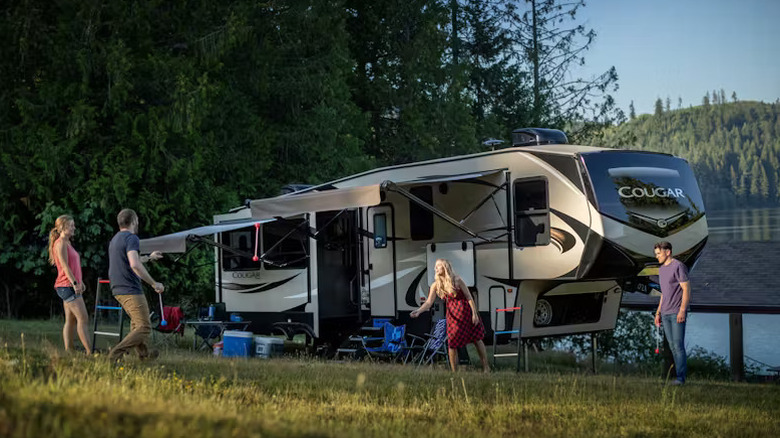
The Ultimate RV Towing Manifesto: Master Weights, Hitch Systems, and Safety Checks
Understanding how to safely connect and tow it is the…

Crossing the Border: RV Travel Rules and Guidelines for Canada vs. US CBSA Regulations, NEXUS Card, Prohibited Food Imports, Metric Conversions
Taking your RV across the US-Canada border introduces a new…
RV Organization Magic: Transform Small Spaces into Big Comfort
Discover clever RV organization hacks to maximize space, minimize stress,…