Introduction: A Smaller Space, a Bigger Life
Imagine waking up to sunlight streaming through your camper window, coffee brewing, and no alarm clock except the birds.
That’s the charm of living in a camper — freedom, flexibility, and simplicity rolled into one.
Whether you’re a full-time traveler, seasonal worker, or someone looking to live debt-free, camper life offers an affordable and adventurous lifestyle.
You don’t need a huge rig or luxury resort — just a willingness to live with intention, creativity, and joy.
In this guide, we’ll cover everything from choosing the right camper and staying organized to budgeting, comfort hacks, and daily routines that make small-space living feel big on happiness.
- Understanding Camper Living
1.1 What Does “Living in a Camper” Mean?
Living in a camper means turning your trailer, van, or small RV into a home — not just for weekends, but for life.
It’s about freedom from traditional rent, mobility to chase good weather, and embracing simplicity.
Some live in campgrounds full-time, others boondock on public land, and some use campers as tiny stationary homes.
1.2 Why People Choose Camper Life
To live debt-free and save money
To travel and explore more
To downsize and simplify
To enjoy minimal environmental impact
To feel free and untethered
Living in a camper teaches you what really matters — experiences, not excess.
- Choosing the Right Camper for Living
2.1 Popular Camper Types
Camper Type Ideal For Price Range Notes
Travel Trailer Couples or small families $10K–$60K Most common choice
Truck Camper Solo travelers or off-grid users $8K–$40K Fits in pickup bed
Pop-Up Camper Seasonal or short-term living $5K–$20K Lightweight, basic amenities
Converted Van Digital nomads, solo travelers $10K–$50K Compact and stealthy
Teardrop Camper Minimalists $5K–$25K Tiny but cozy
Fifth Wheel Full-timers $25K–$120K Spacious, luxury feel
2.2 Features to Look For
Insulated walls and underbelly for 4-season comfort
Efficient heating and A/C systems
Composting or traditional toilet
Fresh and gray water tanks
Solar capability or generator hookup
2.3 New vs. Used Campers
Used models are far more affordable, but inspect carefully:
Roof for soft spots or leaks
Tire age and tread
Electrical and plumbing systems
Signs of mold or moisture
💡 Pro Tip: Always check the VIN history through RVChex or Carfax before buying.
- Setting Up for Success
3.1 Stationary vs. Traveling Camper Living
Stationary: Parked long-term in RV parks or private land. Lower travel costs, stable internet, and comfort upgrades.
Traveling: Freedom to move every few weeks. Ideal for explorers or seasonal work.
3.2 Must-Have Setup Gear
Leveling blocks
Sewer and water hoses
Surge protector
30/50-amp power adapter
Wheel chocks
Awning tie-downs
Portable generator or solar kit
Setup right once, and daily life becomes simple and stress-free.
- Budgeting for Camper Living
4.1 Monthly Cost Breakdown
Expense Low-End Typical Notes
Campsite Fees $0–$300 $400 Use free or monthly stays
Fuel $50 $200 Travel slower = less gas
Insurance $75 $150 Full-timer policies available
Groceries $200 $400 Cook at home
Internet & Phone $50 $100 Visible or T-Mobile plans
Propane $25 $60 Heat & cook efficiently
Maintenance $25 $100 Regular care saves money
Entertainment $25 $100 Free parks and local events
Total $445 ≈$1,500/month Affordable, flexible living
4.2 Ways to Save
Use boondocking areas (free camping)
Work-camp for free stays
Travel off-season
Use solar power to cut electricity costs
Cook in bulk and freeze leftovers
- Creating Comfort in a Small Space
5.1 Smart Storage
Use vertical space — hanging baskets, netting, and wall hooks
Foldable kitchenware and nesting bowls
Under-bed drawers and storage bins
Vacuum-sealed bags for clothing
5.2 Cozy Touches
Add LED string lights or warm lamps
Soft throw blankets and pillows
Area rugs for warmth and personality
Curtains for privacy and insulation
Small spaces feel luxurious when thoughtfully designed.
- Cooking and Eating in a Camper
6.1 Essential Kitchen Tools
Two-burner propane stove
Slow cooker or Instant Pot
Cast-iron skillet
Collapsible dish rack
Compact fridge or cooler
6.2 Easy, Low-Cost Meals
Sheet-pan dinners
Breakfast burritos
Soups, stews, and chili
Tacos and wraps
Stir-fry with frozen veggies
6.3 Energy-Saving Tips
Prep meals in bulk
Use propane efficiently
Cook outside when possible
- Power, Water, and Waste Systems
7.1 Power Options
Plug into shore power when available
Use solar panels for off-grid living
Backup generator for cloudy weeks
Deep-cycle batteries to store power
7.2 Water Management
Refill at public spigots or campgrounds
Keep 5–10 gallons extra in jugs
Use a water filter for safety
Reuse gray water (where legal)
7.3 Waste Disposal
Dump stations (RV parks, truck stops)
Portable waste tanks for convenience
Use enzyme treatments to prevent odor
- Staying Connected
Reliable internet makes camper life sustainable.
Options:
Visible or Mint Mobile (budget unlimited)
Starlink RV (for remote work)
T-Mobile Home Internet (urban and suburban areas)
Backup plan: download maps and entertainment before traveling.
- Hygiene and Laundry in a Camper
9.1 Showering and Bathroom Options
Built-in wet bath or cassette toilet
Solar shower bag or campground facilities
Baby wipes for quick cleanups
9.2 Laundry on the Road
Portable washing machine (manual or mini electric)
Laundromats — still the easiest method
Dry clothes on a retractable line or rack
- Working While Living in a Camper
10.1 Remote Income Options
Freelancing: writing, marketing, customer support
Online tutoring or teaching
Virtual assistant services
Digital product sales (eBooks, courses, designs)
10.2 On-Site Jobs
Camp hosting or maintenance
Seasonal park work
Farm sits, fairs, or national park gigs
Freedom doesn’t mean jobless — it means job-flexible.
- Staying Healthy and Active
11.1 Easy RV Workouts
Walking, cycling, hiking
Resistance bands and bodyweight routines
Stretching or yoga mats for tight spaces
11.2 Eating Well
Stock healthy snacks
Avoid processed convenience foods
Drink more water — it’s easy to forget on the road
11.3 Mental Health
Journal daily
Spend time outdoors
Connect with fellow campers regularly
- Camper Maintenance Made Simple
12.1 Weekly & Monthly Tasks
Task Frequency
Check tire pressure Weekly
Test smoke/CO detectors Monthly
Inspect roof & seams Monthly
Sanitize water system Quarterly
Change filters (AC/water) As needed
12.2 Prevent Problems
Keep vents clean
Drain tanks properly
Lubricate slides and hinges
Exercise generator regularly
Maintenance = freedom without worry.
- Living in a Camper with Family or Pets
13.1 For Families
Create zones: sleeping, play, work
Maintain school routines for kids
Use digital schooling tools
Let kids help plan travel routes
13.2 For Pets
Store pet food in airtight bins
Carry medical records and ID tags
Use collapsible bowls and pet ramp
Keep temperature monitors inside camper
- Downsizing Tips for Camper Life
Digitize paperwork
Adopt a “one-in, one-out” rule
Keep only multi-use tools
Rent a small storage unit for keepsakes
Freedom is easier when you carry less.
- Staying Safe
15.1 Personal Safety
Lock doors and compartments
Avoid isolated areas alone
Keep GPS tracker and share location
15.2 Fire & Propane Safety
Test alarms monthly
Turn propane off before driving
Keep extinguisher near the kitchen
15.3 Weather Awareness
Use weather apps and NOAA radio
Avoid parking under trees in storms
Know local shelter options
- Camper Organization & Cleanliness
Clean as you go — clutter builds fast
Keep essentials within reach
Use multi-purpose items (broom + dustpan combos)
Store cleaning supplies in bins under sink
A clean camper is a happy camper.
- Social Life and Community
Join Facebook groups like Full-Time Camper Life or VanLife USA
Attend RV rallies, meetups, or Harvest Host events
Exchange travel tips with neighbors — campers help campers
The road community is one of the friendliest you’ll find.
- Camper Life Challenges (and Solutions)
Challenge Solution
Limited space Rotate items seasonally
Power shortages Add solar or generator backup
Isolation Join RV communities
Internet dead zones Carry offline downloads
Maintenance costs Budget monthly fund
You can’t avoid challenges — but you can prepare for them.
- Example Camper Life Daily Routine
Morning:
Make coffee, open windows, and stretch.
Check weather and route for the day.
Quick 10-minute clean-up.
Afternoon:
Travel or work hours.
Simple lunch and outdoor walk.
Plan next stop or campsite.
Evening:
Cook dinner outside.
Relax, journal, or stargaze.
Check batteries, lights, and propane before bed.
Routines build rhythm into a free lifestyle.
- Camper Living Checklist (Printable)
Before Starting
Choose camper type and inspect it
Downsize and organize essentials
Plan budget and emergency fund
Join roadside assistance plan
Monthly
Inspect roof and seals
Sanitize water system
Test detectors
Rotate and inspect tires
Daily
Track expenses
Conserve power and water
Clean as you go
Log mileage or generator hours
Conclusion: Small Space, Big Freedom
Living in a camper isn’t about giving up — it’s about getting back.
Back to simple joys, open skies, and time for what truly matters.
You learn to live lighter, laugh easier, and wake up every day surrounded by possibility.
When your house has wheels, your backyard is limitless.
The world becomes your neighborhood, and every sunset feels like home.
That’s camper living — affordable, beautiful, and full of freedom.
\ Get the latest news /

Related Posts
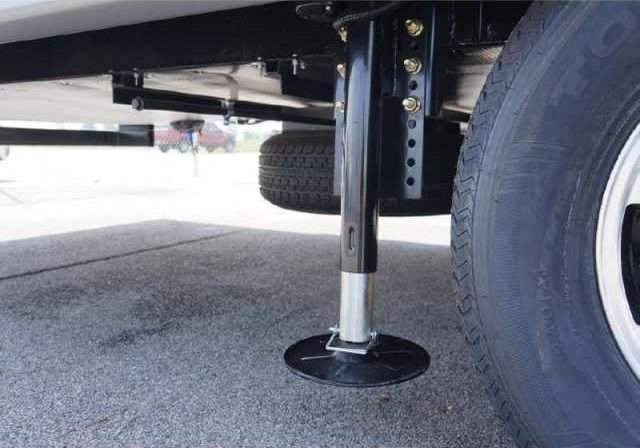
RV Jack Essentials: Why They Matter and Best Practices for Every Traveler
Learn everything about RV jacks — why they’re essential, how…
Crossing the Border: RV Travel Rules and Guidelines for Canada vs. US CBSA Regulations, NEXUS Card, Prohibited Food Imports, Metric Conversions
Taking your RV across the US-Canada border introduces a new…
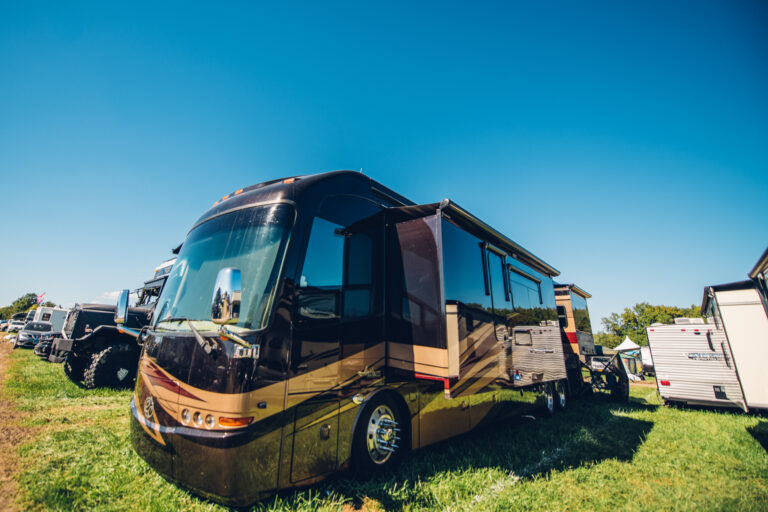
Full-Time RV Living Tips: Stay Organized, Happy, and Stress-Free on the Road
Make full-time RV life simple and enjoyable. Learn how to…